
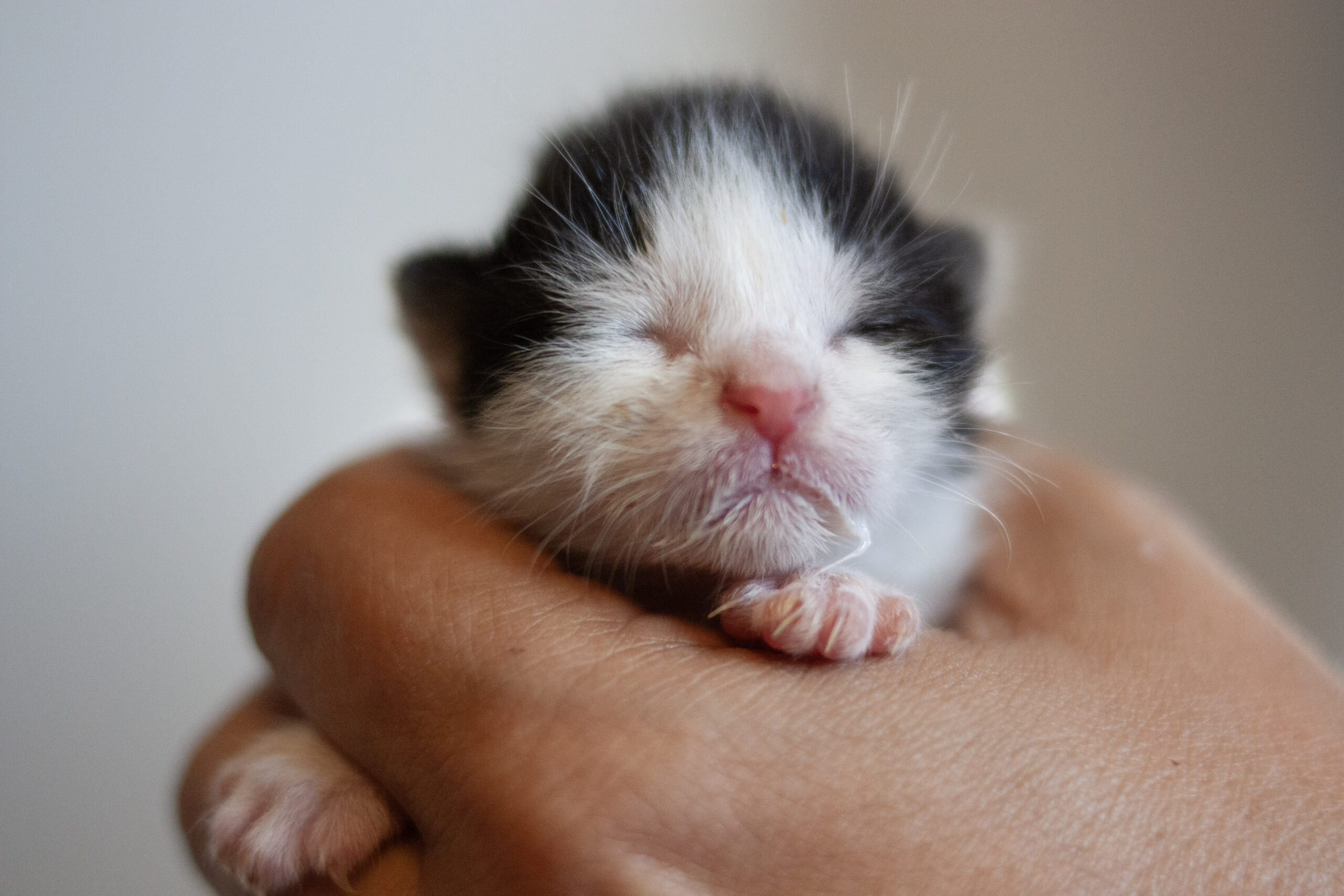
When people hear the term “newborn animals,” they often picture tiny, helpless kittens or puppies. In rescue work, however, there is a specific term used to describe the youngest and most fragile stage of life: neonates. A neonate is not simply a baby animal — it is an animal in a critical developmental phase where survival depends entirely on external care. Neonates are typically just hours to days old. At this stage, their bodies are extremely underdeveloped, and they lack the basic functions needed to survive on their own. Understanding what makes neonates different is essential to understanding why their care requires such urgency and precision.
What Makes an Animal a Neonate
Neonates are born altricial, meaning they are born in an undeveloped state. They cannot regulate their own body temperature, cannot feed independently, and rely completely on their mother — or a caregiver — for survival. Their immune systems are immature, their organs are still developing, and even small changes in temperature, nutrition, or handling can have serious consequences. At this stage, neonates often have closed eyes and ears, limited movement, and very little awareness of their surroundings. Without consistent warmth, proper nutrition, and frequent care, a neonate can decline rapidly. Hypothermia, dehydration, and low blood sugar can develop in a matter of hours, which is why timing is so critical.
Why Neonates Require Specialized Care
Caring for neonates is very different from caring for older kittens or puppies. A few weeks of development makes a dramatic difference. Older animals can eat solid food, regulate their temperature more effectively, and tolerate brief disruptions in care. Neonates cannot. They require species-appropriate formula, carefully timed feedings, controlled environmental temperatures, and close monitoring. Feeding must be done correctly to avoid aspiration or digestive distress, and hydration levels must be carefully managed. This is not care that can be improvised — it requires knowledge, preparation, and experience.
How Neonates Respond to Stress and Illness
One of the most challenging aspects of neonatal care is how quickly things can change. In older animals, mild illness or environmental stress may be uncomfortable but manageable. In neonates, those same issues can escalate rapidly into life-threatening situations. Because of this, caregivers must closely track weight, feeding response, body temperature, and elimination. Small details matter. A missed feeding, a slight temperature drop, or a lack of weight gain can be early warning signs that intervention is needed.
Why Neonates Often End Up in Rescue
Neonates come into rescue for many reasons. Sometimes a mother animal has been injured, become ill, or is no longer able to care for her young. Other times, newborns are found abandoned or separated from their mother due to environmental disturbances. In some cases, well-meaning people intervene without realizing the mother may still be nearby. Each situation requires careful evaluation, but the reality remains the same: neonates cannot survive long without consistent and specialized care. When that care is interrupted or unavailable, rescue intervention becomes necessary.
Giving Neonates a Chance to Thrive
At Tiny Life Rescue, recognizing a neonate is the first step in providing the care they need. Neonatal care is not just about feeding and warmth — it’s about understanding development, maintaining a stable environment, and responding quickly to changes. Progress during this stage is measured in small victories: steady weight gain, consistent body temperature, and improved strength. With patience, experience, and the right support, many neonates grow stronger, stabilize, and move into the next stage of life.
The neonatal phase is brief, demanding, and incredibly fragile. But with informed, attentive care, it can also be the beginning of a healthy future.