
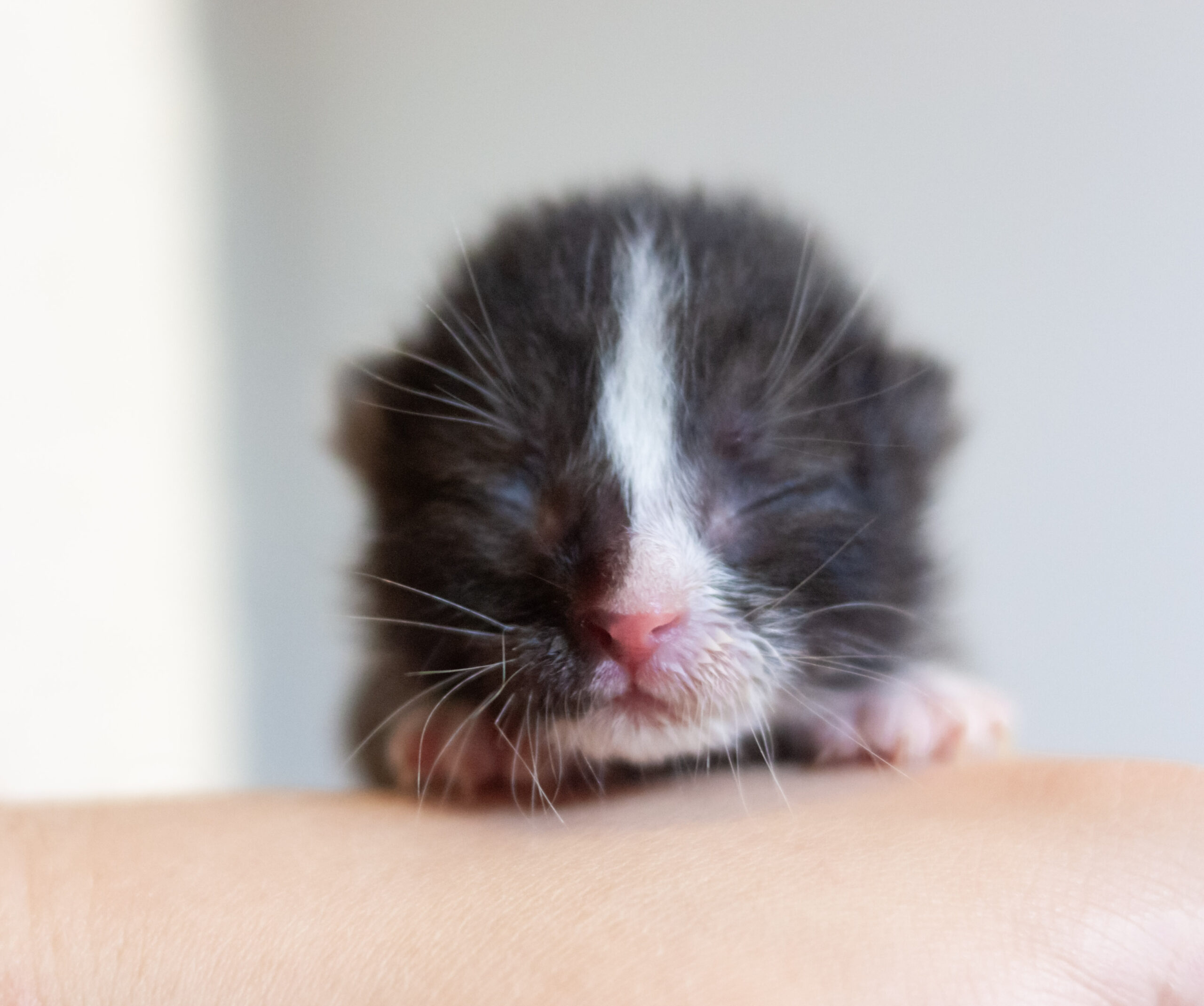
Finding a newborn animal in distress can be overwhelming. Many people want to help but aren’t sure what to do—or worry about doing the wrong thing. When animals are only hours or days old, timing and proper care are critical. At Tiny Life Rescue, our role is to step in during those fragile early moments and provide the specialized care newborn animals need to survive.
How Newborn Animals Are Typically Found
Newborn animals come into rescue under many different circumstances. Some are found alone outdoors, others are discovered after a mother is injured or unable to care for them, and some are surrendered because their needs exceed what someone can safely provide. Regardless of how they are found, the most important factor is how quickly and correctly care begins.
The First Priority: Stability
When a neonate arrives, the immediate focus is on stabilization. Newborn animals are unable to regulate their body temperature or feed independently, so the first steps are always about meeting those basic needs.
This often includes:
- Providing warmth
- Ensuring safe, appropriate feeding
- Checking hydration and overall condition
Stabilization sets the foundation for everything that follows.
Ongoing Care and Monitoring
Once stable, newborn animals require consistent, round-the-clock care. This includes scheduled feedings, weight checks, hygiene support, and close observation for even subtle changes. Neonates can decline quickly if something is off, which is why experience and attentiveness are so important during this stage. Progress is measured in small milestones, and every ounce gained matters.
Why Specialized Care Matters
Caring for newborn animals is very different from caring for older kittens or puppies. Their needs change rapidly, and mistakes—often made with good intentions—can have serious consequences. Tiny Life Rescue focuses on providing informed, intentional care based on knowledge and preparation, not guesswork. This approach gives neonates the best possible chance during their most vulnerable stage of life.
How the Public Can Help Safely
One of the most important ways people can help is by recognizing when professional support is needed. While the instinct to intervene is natural, improper feeding or handling can unintentionally cause harm. Reaching out to a rescue experienced in neonatal care ensures that newborn animals receive the right help at the right time.
A Path Forward
When newborn animals receive the care they need early, their chances of survival increase dramatically. With patience, consistency, and the right support, many go on to grow stronger, healthier, and ready for the next chapter of their lives. At Tiny Life Rescue, this process begins the moment help is needed—and continues until those tiny lives are no longer at risk.